A Tale of Two Albums
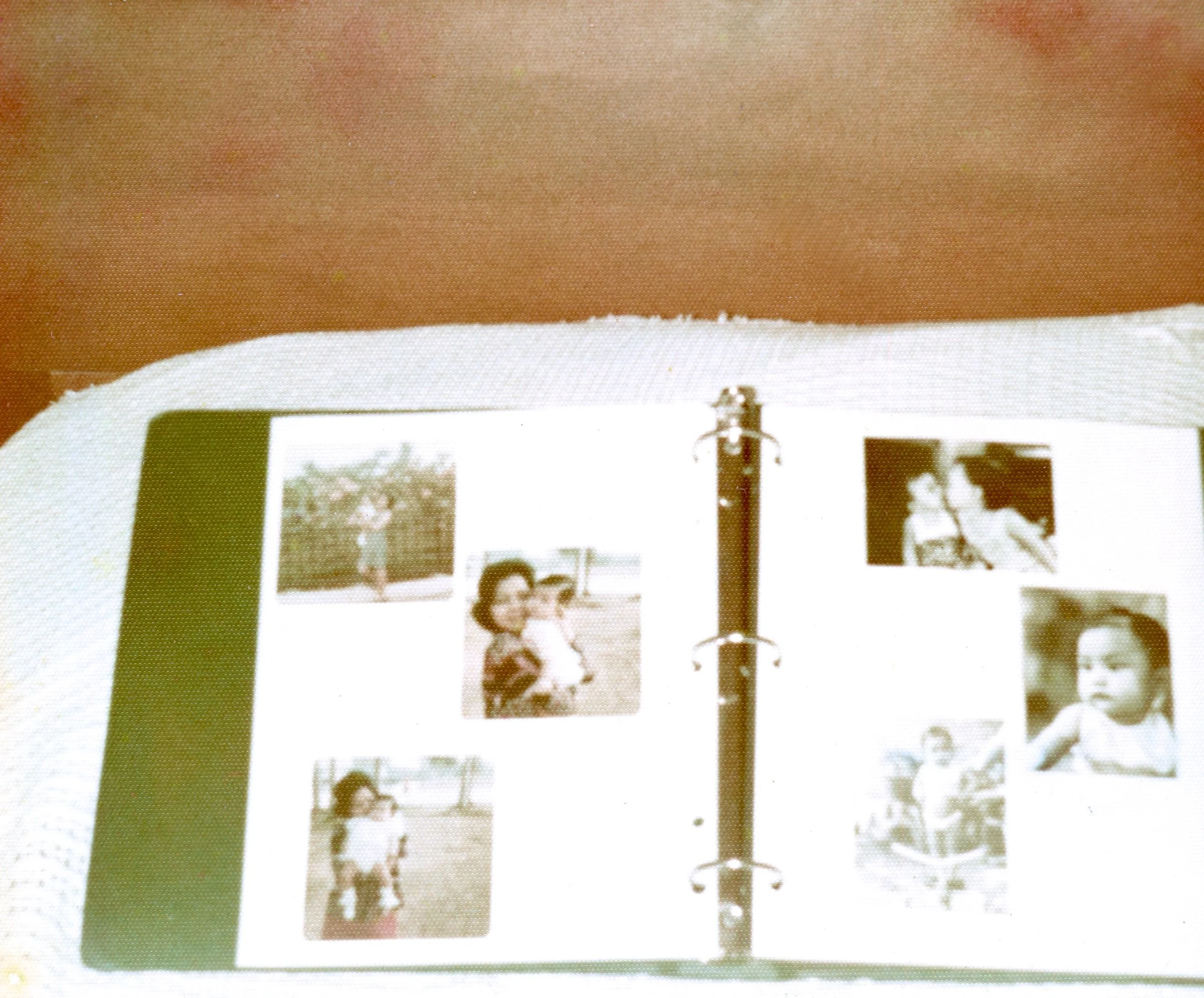
It started with a simple task: digitize photos from my parents’ magnetic photo albums: one with cracked brown padded vinyl which might have looked like leather in earlier days and the other a faded green canvas with the word “Photos” in flaking gold letters.
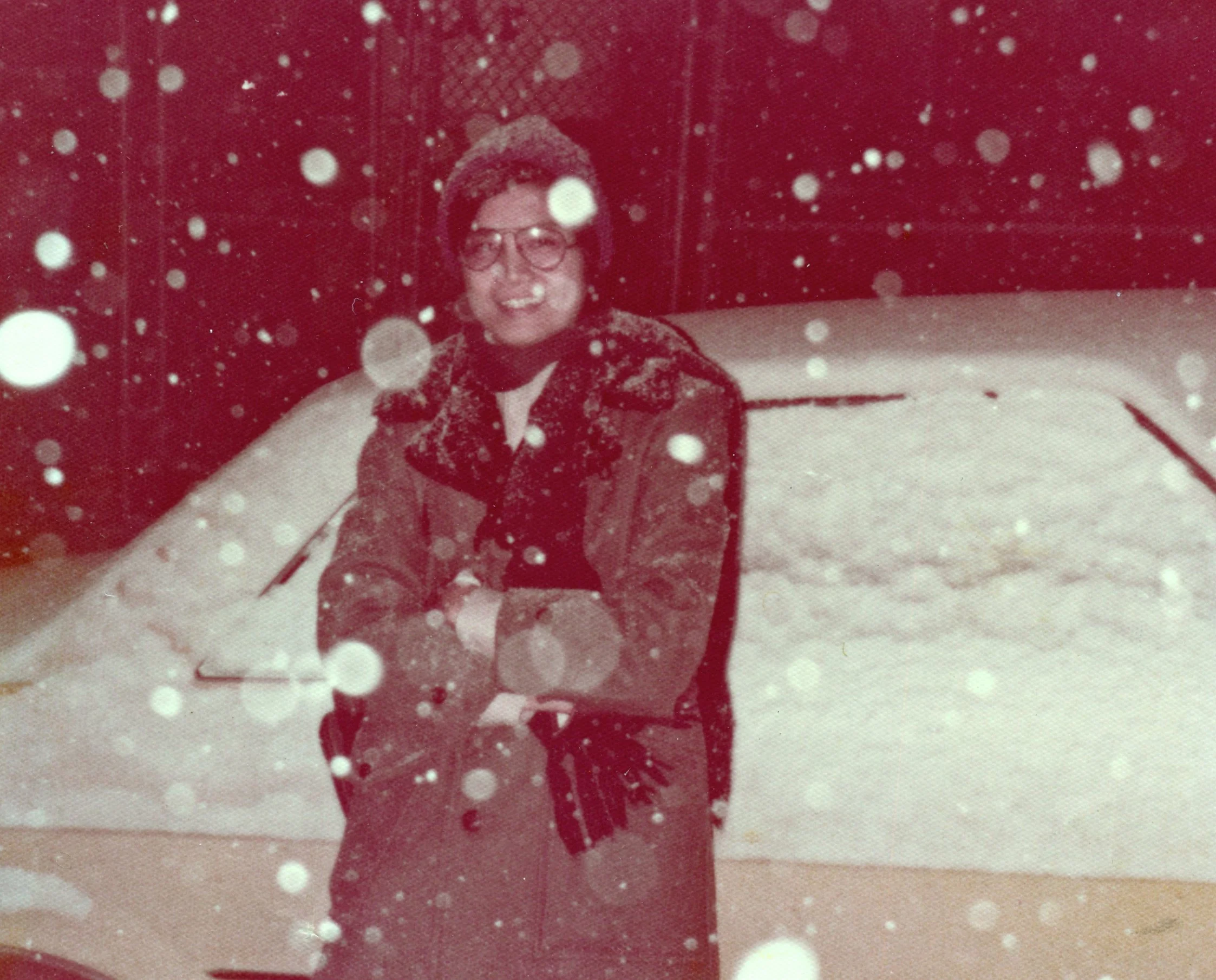
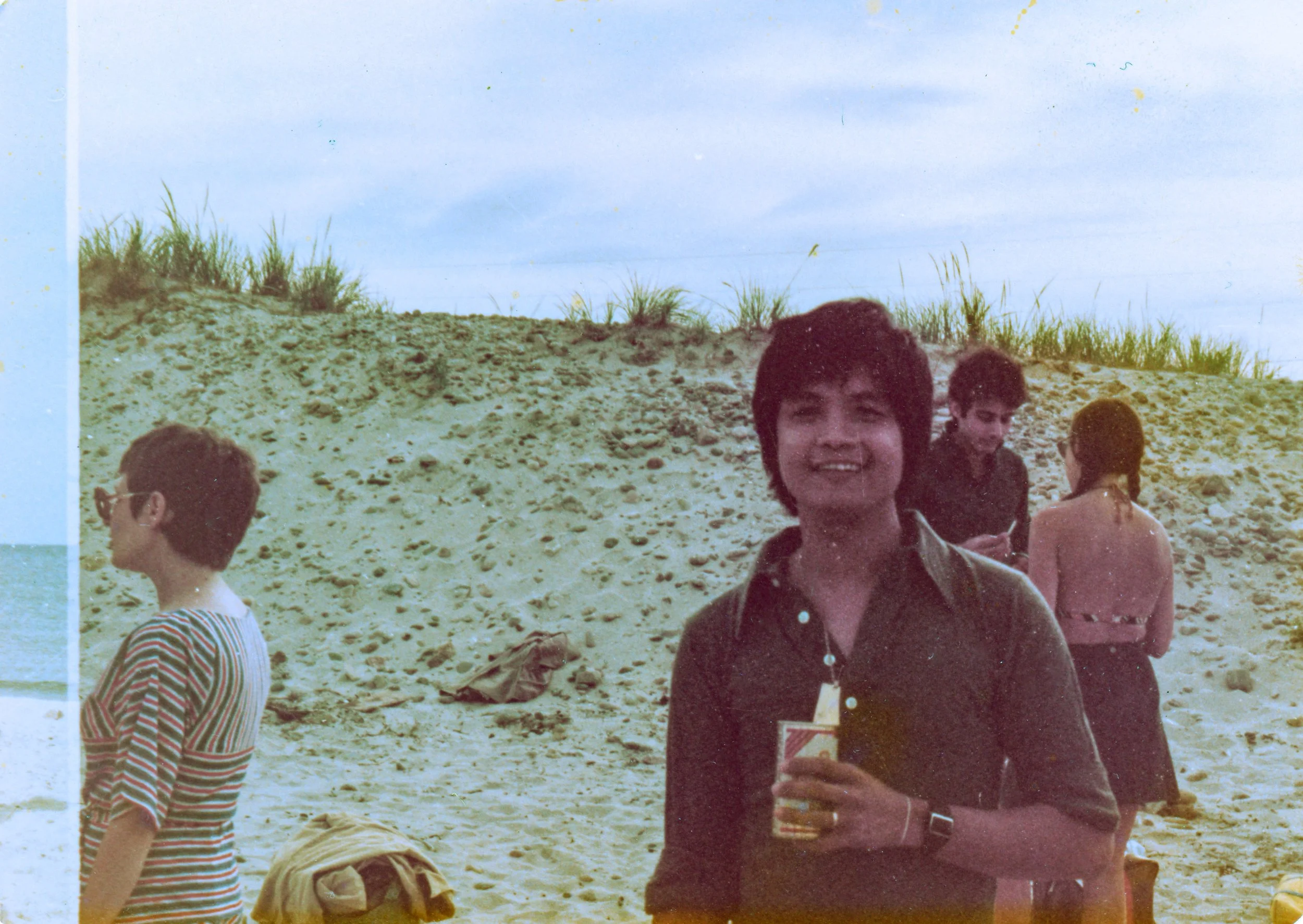
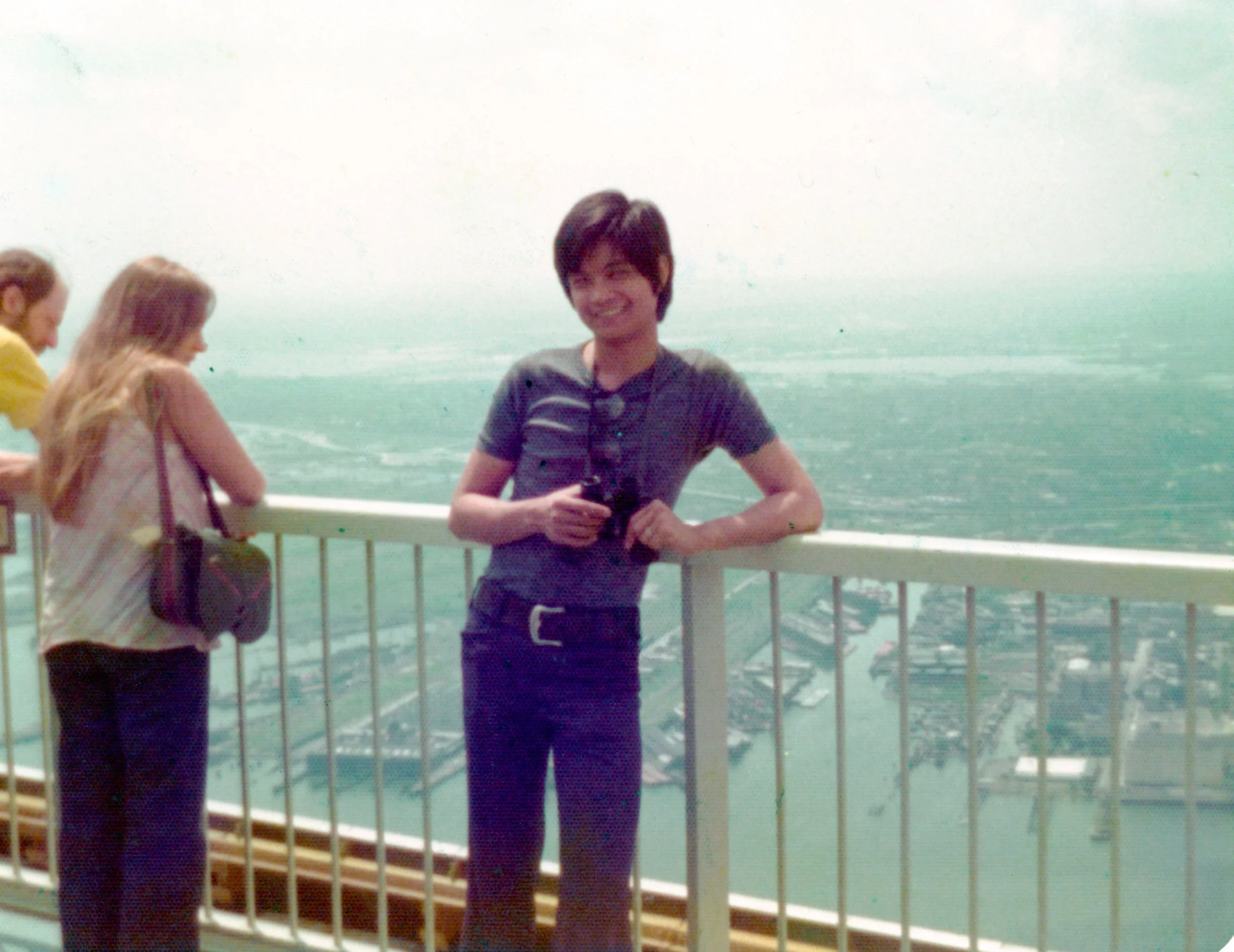
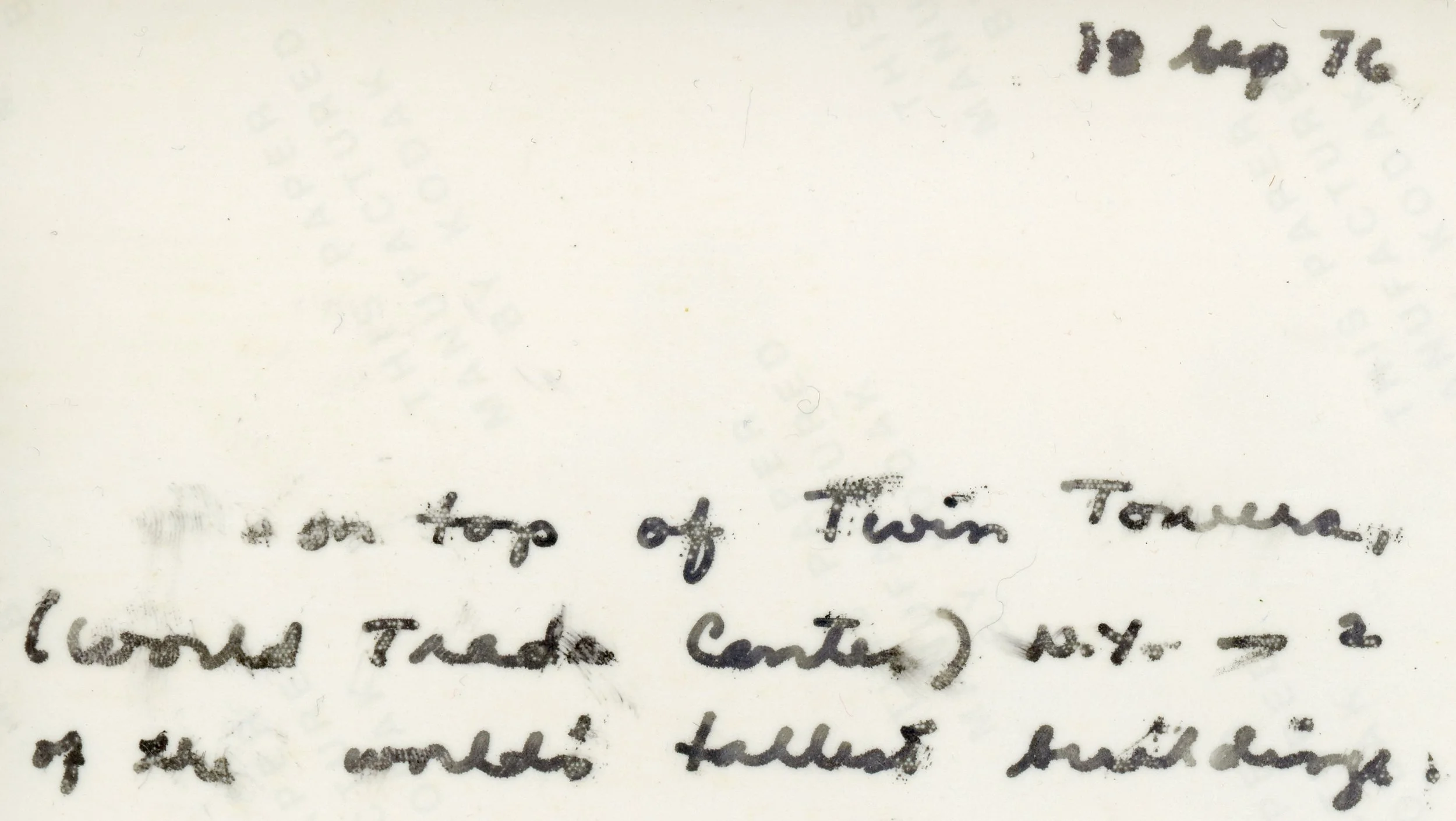
As I thumbed through the albums, carefully removing the photos with dental floss to separate the glue from the picture, I realized that most of the photos of my dad were in one album, pictures of him young and smiling in the Boston winter snow; with a beer in hand on Nantucket Beach; at the top of the World Trade Center in New York.
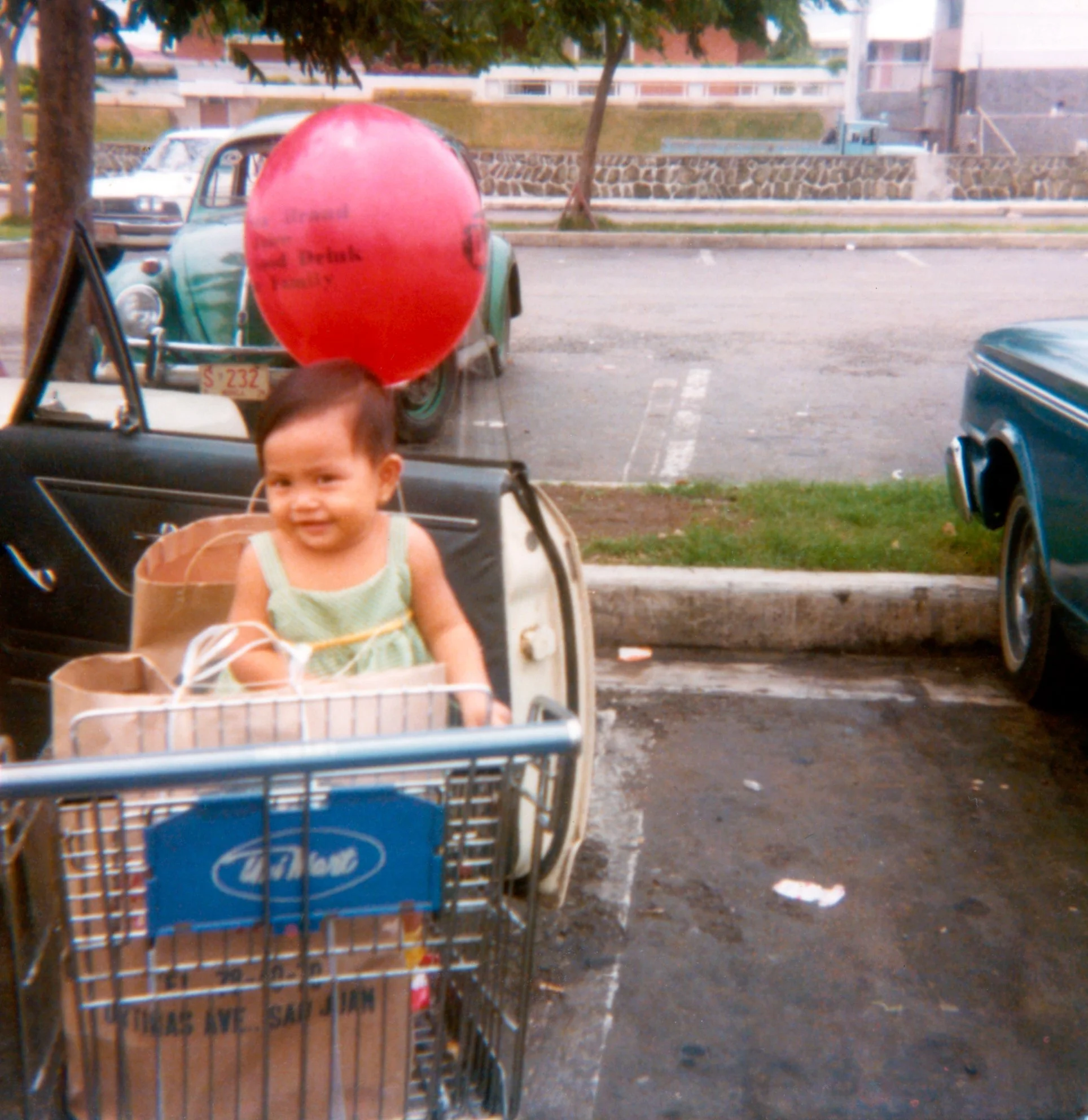
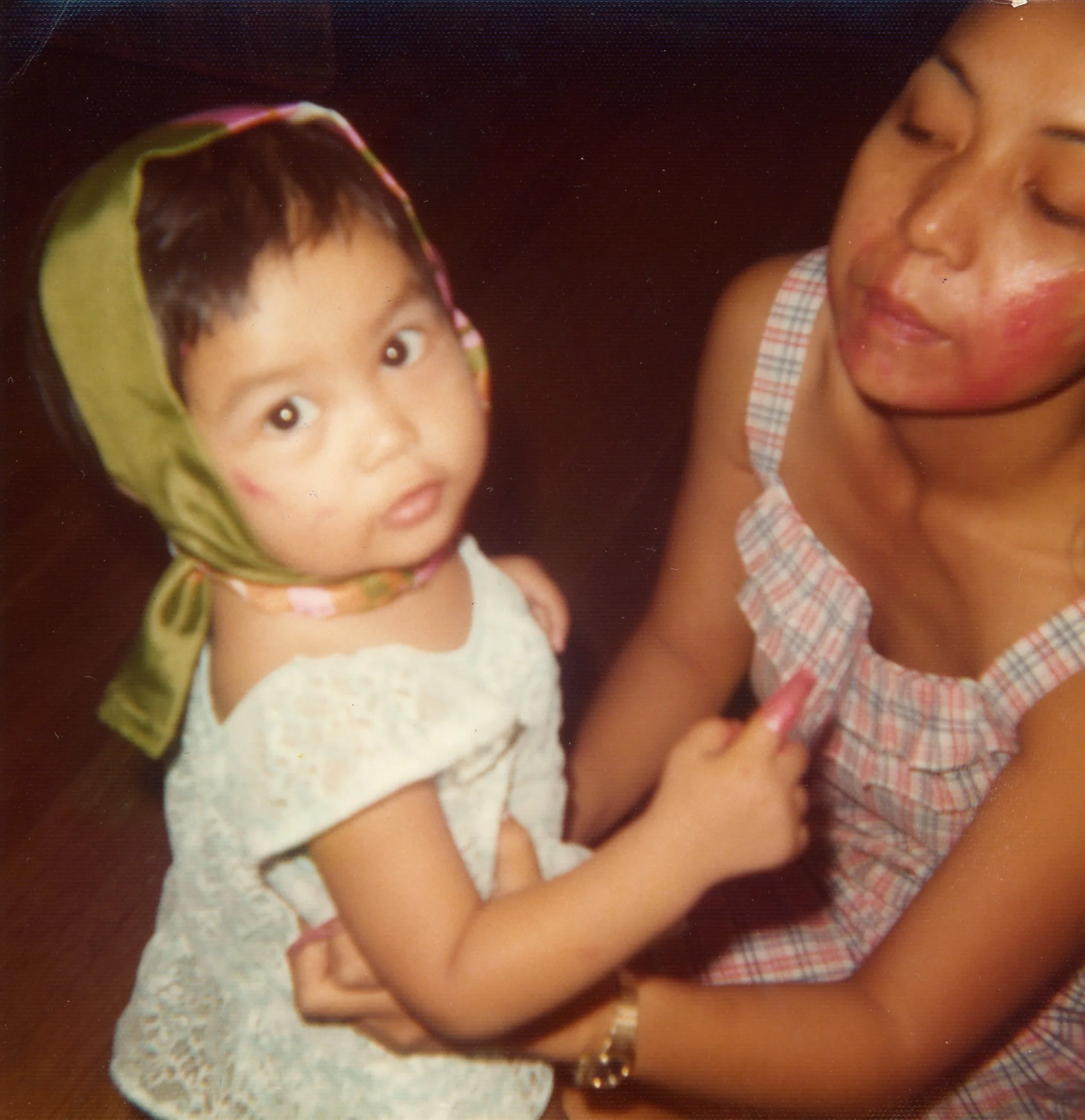
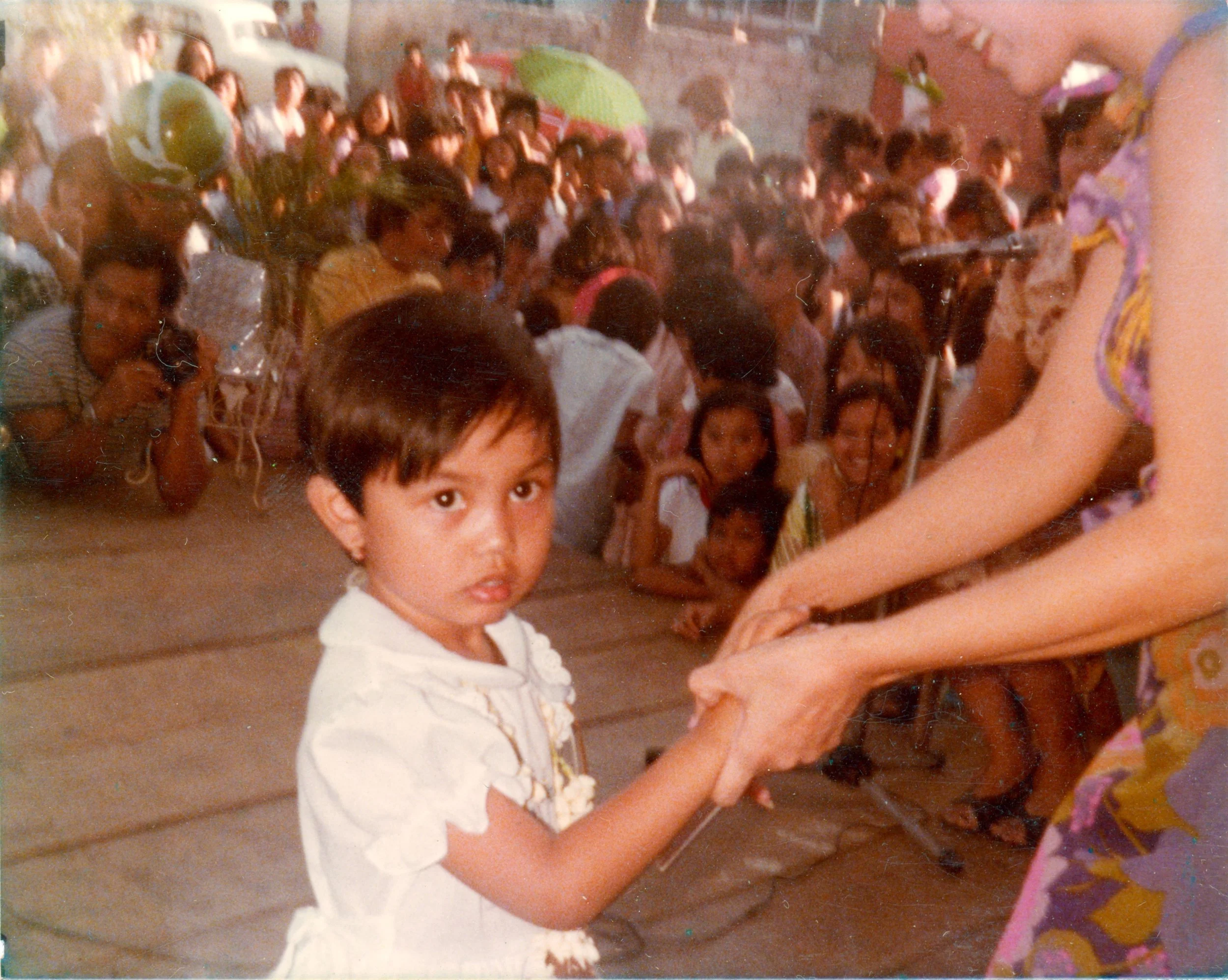
In the next album, my mom and Ate: Ate is one year old, smiling sitting in a shopping cart; two years old, putting Mommy’s expensive lipstick on her cheek; four years old, graduating from preschool in a pretty white dress.
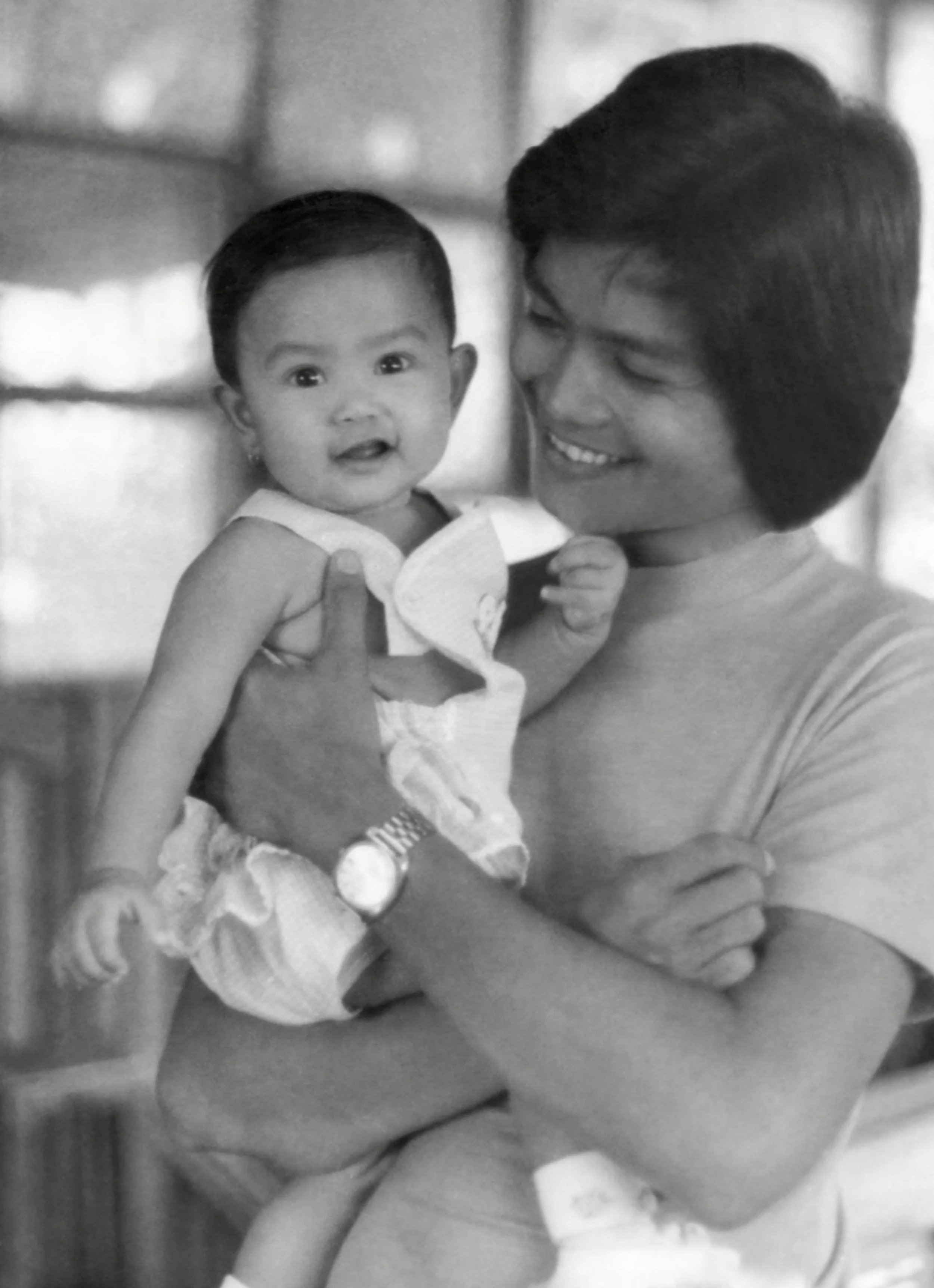
My dad left the Philippines in 1975, less than a year after my older sister Almira was born. There’s a blurry black and white photo of him on the Manila tarmac, where he looks every bit the 1970s style: long shiny black hair, disco shirt, fitted tight on his skinny frame, bell bottom pants. He remembers crying on the plane, “On the plane ride from Manila to Boston, I was non-stop (mimics tears running down his face). Because I was leaving Mommy and Almira who was only eight months old then, right? We were just starting to bond and that kind of thing. It was really like being, you know, torn apart.”
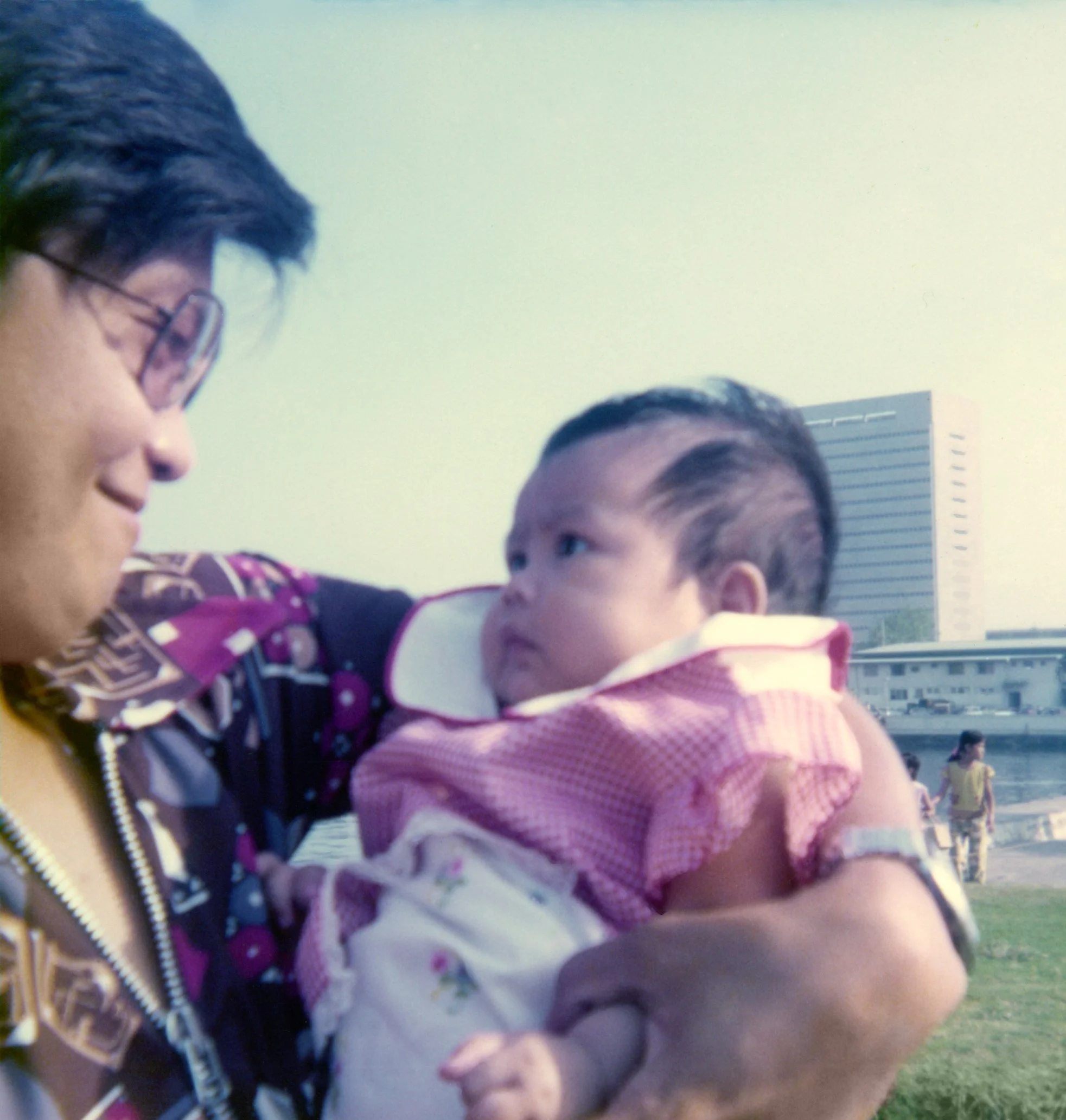
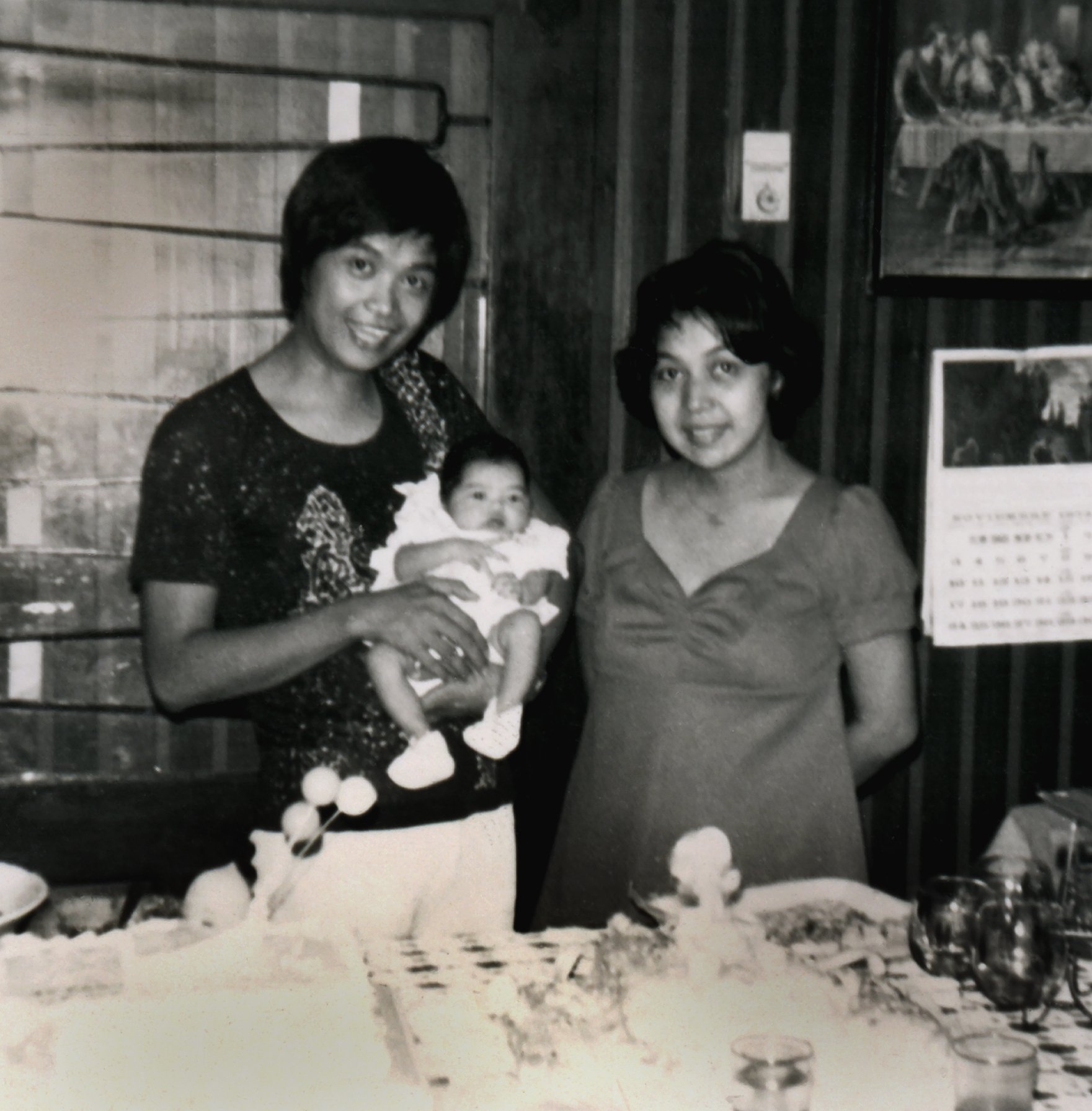
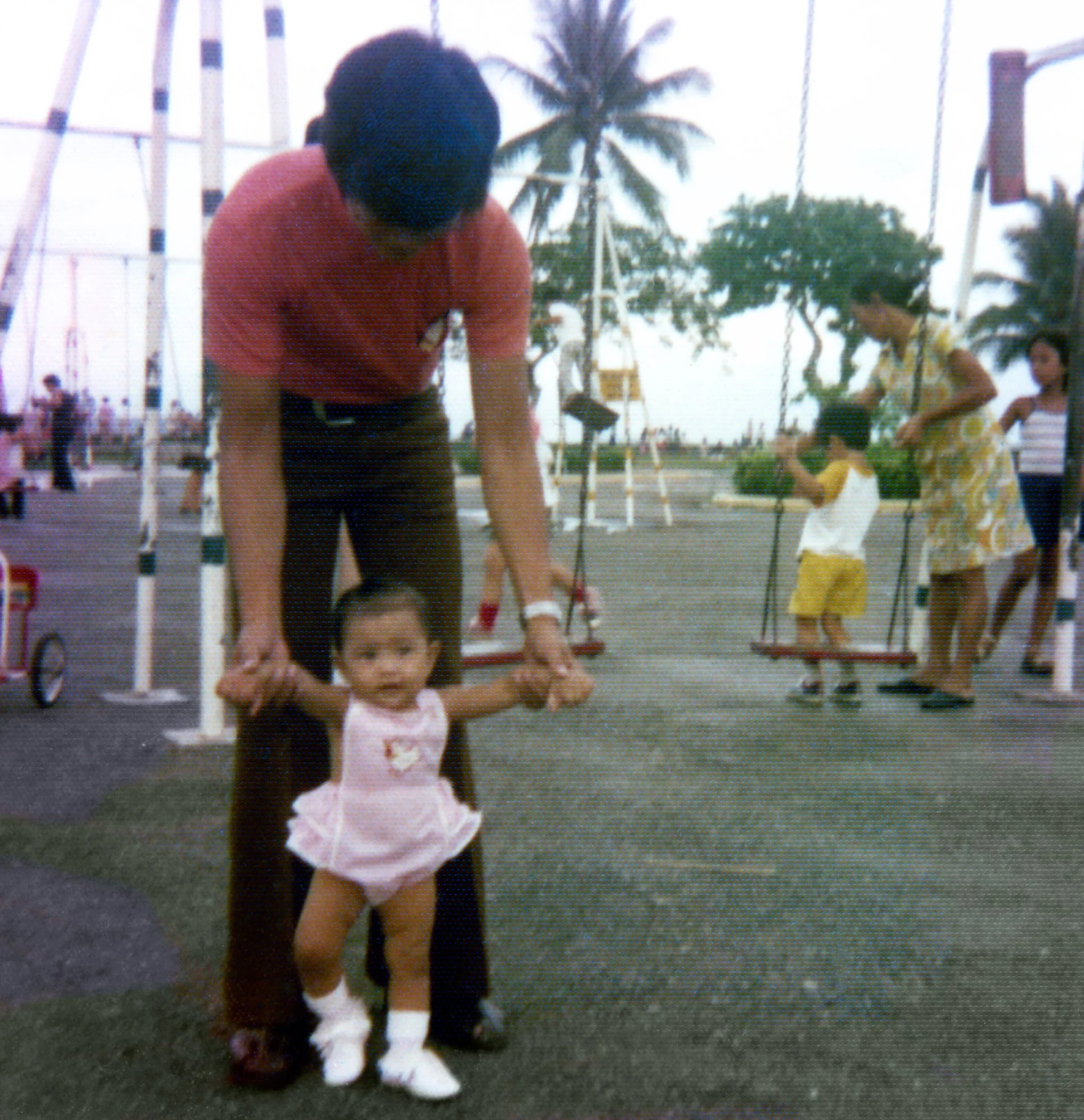
He’s heading to Boston where he’ll start an internship in pathology, while teaching at Harvard Medical School. My mom and sister aren’t allowed to come; the Philippines and the US embassies want to ensure that my dad will come back.
These albums represent division in my parents' early marriage: my mom wasn't allowed to come to the US right away and was left in behind in the Philippines to care for their infant daughter while working full shifts as a psychiatrist in PGH.
These albums represent connection in my parents' early marriage: they mailed photos of themselves and family, to keep the love, spark, bridge, bonds alive, even though they lived on opposite sides of the world.
These albums represent an uneasy political landscape: the US not fulfilling family reunification policies that they created and promised. Marcos eager to take advantage of the remittances that OFWs would send back to the Philippines.
I want to understand my family’s migration story not just from their own experience, but also by what forces acted upon them to encourage separation, making more money, prestige.
As the mother of a toddler now, I feel the urgency to understand my own legacy: what legacy will I pass down to my child? What parts of the legacy do I want to interrupt?
This is the beginning of my family’s archive: a tale of two albums, spanning two continents, grappling with policy versus reality. In the middle of it all, one small family tries to maintain their bonds, held together with photos that capture the everyday moments, cassette tapes recording my sister’s toddler voice, and hope for better opportunities and the day that they would be on the same land, permanently, again.